As budget negotiations continue in Harrisburg, Governor Josh Shapiro and marijuana industry lobbyists are once again pushing Pennsylvania toward full commercial marijuana legalization. Their pitch sounds familiar: legalize marijuana for $$$ and more tax revenue.
But Pennsylvanians should stop and ask one simple question before lawmakers move any further down this road:
At what cost?
During a recent PA Senate budget hearing, State Senator Cris Dush asked Pennsylvania Budget Secretary Zach Reber whether there are any states where the costs of marijuana legalization do not exceed the revenues generated. The answer was revealing.
“I haven’t specifically looked at that.”
That’s concerning. Before Pennsylvania expands access to another addictive substance and sets up government coffers that increase with more use of the addictive substance, lawmakers should understand the full picture, not just the promises coming from an industry that profits when more people use marijuana more often.
New research highlighted by the Pennsylvania Small Enterprise Foundation estimates that a change in our state to further commercialize marijuana beyond medical use could result in more than $154 million annually in additional social and economic costs.
- $135 million in public social costs related to emergency healthcare services, substance abuse programs, marijuana-related DUIs, and chronic homelessness.
- $20 million in private productivity losses, related to absenteeism and other workplace issues.
And those estimates may only scratch the surface.
“Marijuana legalization will result in fewer jobs, more costs, and significant challenges for employers and families,” states the new report. Download and read The False Economic Promise of Marijuana Legalization in Pennsylvania for a deeper look at the projected economic, workplace, public safety, and social costs tied to marijuana commercialization in the Commonwealth.
Governor Josh Shapiro has aligned with the marijuana industry in repeatedly calling to legalize marijuana primarily based on projected revenue claims. But tax revenue without accounting for social cost is poor budgeting.
As I wrote in Broad + Liberty back in February:
“Attempting to fund the government through addiction is simply a regressive tax by another name — one that falls hardest on struggling families and those most vulnerable to substance abuse.”
Pennsylvania is facing a variety of challenges. We already have a host of mental health problems. We’ve incentivized government coffers with addictive behaviors from gambling expansion (which is getting worse). Now, some lawmakers want to deepen addiction dependency by commercializing another addictive substance in high-potency marijuana products.
This is not “Woodstock weed.”
Today’s marijuana is not the marijuana of previous generations. THC, the psychoactive component in marijuana that produces the high, was once commonly found at single-digit potency levels. Today, smoked marijuana flower can exceed 30% THC, while highly concentrated, industry-engineered products regularly contain 70-80% THC or more.
The experiment with legalization for recreational use has led to marijuana use at an all-time high. The result is more addiction, more mental health concerns, more impaired driving incidents, and more harm to young people.
We are already seeing warning signs emerge in neighboring states that moved aggressively toward legalization. Recently, reports out of New Jersey highlighted growing concerns surrounding severe cannabis-related health complications. As Dr. Alan Shubert with Virtua Health observed, increases in cases are occurring largely in states where marijuana has been legalized both medically and recreationally, including New Jersey and Delaware.
That reality often gets buried beneath the marijuana industry’s marketing campaigns and the spread of misinformation. But families living in legalized states are increasingly seeing the consequences firsthand. As one California mom put it, she’s exhausted with the “in-your-face” culture that commercialization brought upon recreational legalization.
Public safety officials in legalized states continue grappling with increases in marijuana-related impaired driving. Emergency rooms have reported growing cases involving high-potency edible products and accidental child exposure. Schools are navigating more student behavioral and mental health challenges tied to substance use.
That’s why marijuana companies are spending millions and millions to lobby states to allow for full marijuana commercialization: profits for them at the expense of families and communities.
But there’s good news: For years, the agenda of the marijuana industry – what they claimed was inevitable – has been thwarted. Pennsylvania lawmakers have withstood the industry’s pressure and have not legalized marijuana for recreational use.
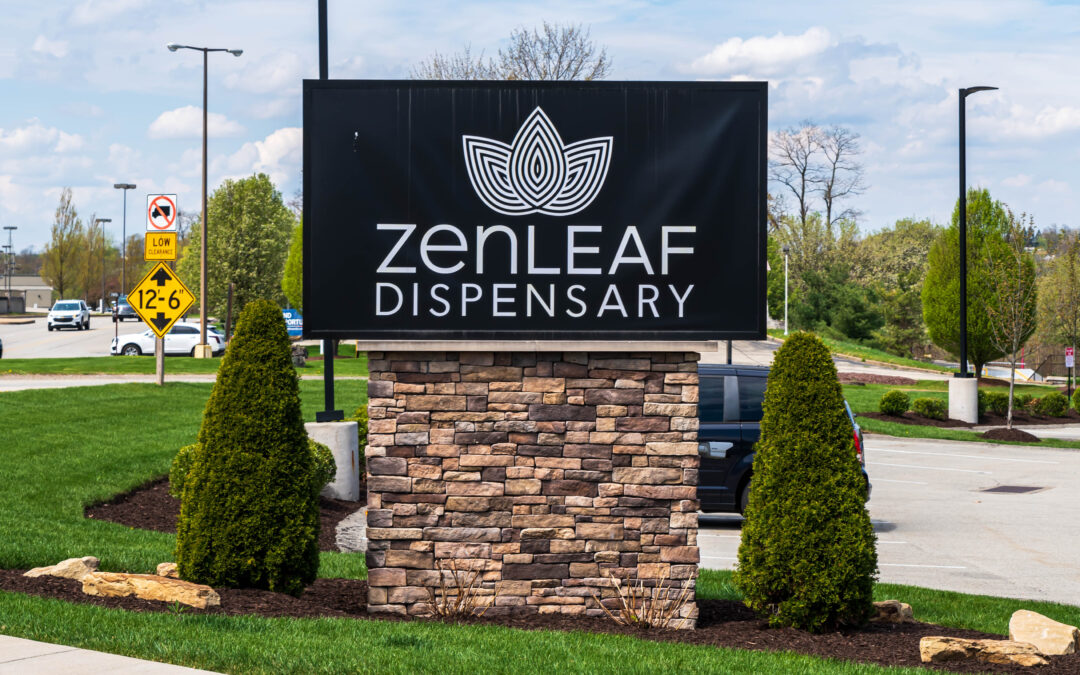
Thankfully, key leaders in the Pennsylvania Senate have continued asking hard questions, resisting pressure from one of the most aggressive lobbying operations in Harrisburg, and stopped bills like Senate Bill 120 that would force pot shops into your neighborhood selling harmful marijuana products under the guise of recreation.
But that’s why the industry has changed their tactics, and why a new bill deserves your attention and action right now.
The new top priority of the marijuana industry is Senate Bill 49, which takes part of the full recreational use bill (50 pages of the full 181-page Senate Bill 120). As one industry rep said about the pushback in the PA Senate: “We can beat them with Senate Bill 49.”
This incremental approach would set up a new seven-member board with regulatory authority over marijuana policy, including medical use, while having no requirements for medical backgrounds. It would also set up a fund to pay for more marijuana use.
For more about Senate Bill 49 and to contact your state lawmakers about concerns with this bill, click here.
This is no longer about isolated policy debates. This is about whether Pennsylvania wants to invite the marijuana industry and their addiction-for-profit plans deeper into our communities.
And the people most likely to bear the burden are often the people with the least political influence: children, struggling families, vulnerable young adults, and communities already facing serious substance abuse challenges.
When government legalizes and commercializes an addictive substance, it does not remain neutral. It becomes a partner in normalizing greater use. Financial incentives change. Industry influence grows. Advertising expands. Access increases. Potency escalates. Eventually, taxpayers and families are left to pay the price for consequences that politicians did not fully or honestly account for at the start.
Pennsylvania families deserve better.
Download and read The False Economic Promise of Marijuana Legalization in Pennsylvania for a deeper look at the projected economic, workplace, public safety, and social costs tied to marijuana commercialization in the Commonwealth.
Take Action Now:
Please contact your State Senator and State Representative about your concerns with Senate Bill 49, and recruit others to do the same. Click here to contact them by email.
Related Video: