On May 17, 2001, then PA Governor Tom Ridge signed into law a groundbreaking new program called the Educational Improvement Tax Credit (EITC). As one State Representative put it just days prior to the vote for final passage of this new program,
“You are going to be voting for better opportunities for the students of Pennsylvania.”
25 years later, better opportunities have been provided. Over 633,000 scholarships have been awarded to students through EITC. That’s hundreds of thousands of families whose educational opportunities have been impacted by this program.
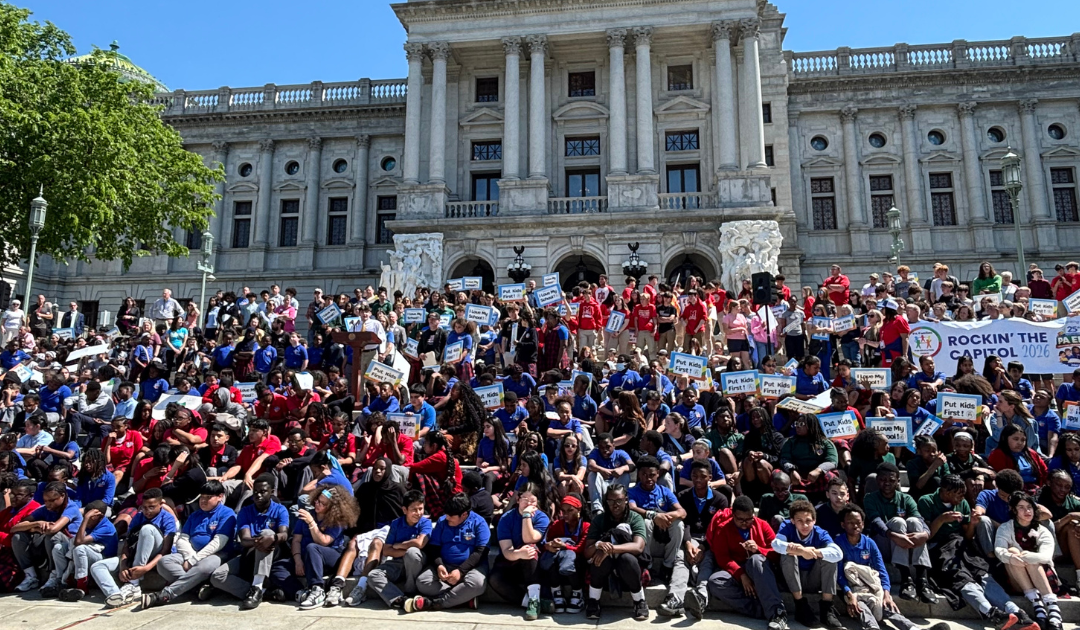
A few years ago, I stood with students in the Capitol Rotunda and listened as one young girl described how receiving an EITC scholarship to attend the school of her choice “saved my life.”
But here’s another number: 784,920.
This is the number of K-12 EITC scholarship applications submitted since the program began in 2001. Funding for EITC is capped, and there are currently more families applying than there are scholarships available. In the 2023-2024 school year, nearly 70,000 EITC scholarship applications were turned away.
A new report shows students are performing worse in school now than they were ten years ago. One alarming stat in the new Education Scorecard shows that 8th-grade reading levels are the lowest since 1990.
The current trajectory is leaving far too many students unprepared. The fact is, we’re failing the majority of our students. As Ben Sasse recently stated, “Despite receiving nearly a trillion dollars a year, public K-12 education in America produces abysmal results. 70% of eighth graders are not proficient in reading, and more than 70% can’t do basic math.”
We cannot continue a system of education that predominantly does the same thing year after year and expects different results. “Never have we spent more money. Never have staffs been larger. Yet, test scores are down,” points out Guy Ciarrocchi, Senior Fellow for the Commonwealth Foundation. “Maybe…just maybe…the “experts” are doing it wrong. Maybe it’s not about money. Maybe parents should have more choices.”
As PA State Rep Martina White (R-Philadelphia) shares, families across Pennsylvania are asking for more options, more flexibility, and more opportunities for their children. “Pennsylvania’s current education system is leaving too many students behind. Fewer than half of Pennsylvania eighth graders are proficient in reading, and more than two-thirds are below grade level in math. Far too many students are leaving school unprepared for success after graduation.”
That’s why Rep. White is introducing the Educational Opportunity Omnibus, a package of five bills aimed at expanding opportunities for students and families. It includes increases in the successful EITC program, and ensuring Pennsylvania opts into the new Federal Education Freedom Tax Credit Program, something 30 other states have already done.
We all should be asking: Do we want better opportunities for students in Pennsylvania?
In the last 25 years, state spending on public education has doubled. Pennsylvania spent $6.45 billion on state education spending. Last year, education spending was up to $16.8 billion, and Shapiro is asking for more historic increases in this year’s proposed budget. Yet the results areraising questions regarding the return on this investment.
Pennsylvania students need better opportunities. If we’re serious about fixing education, we have to find better solutions.