
Key Points
- Modern marijuana is far more potent, fueling addiction, psychosis, and mental health issues, especially in teens.
- Youth Impact: Legalization has led to more use among kids, with incidents in schools spiking.
- Public Health Crisis: ER visits, poison control calls, and Cannabis Use Disorder cases are rising, often involving children.
- Commercialization: Big tobacco is investing in marijuana, prioritizing profit, drawing comparisons to “Big Tobacco.”
- Traffic Dangers: More users are driving high, increasing crashes and fatalities in states experimenting with legalization.
- Expert Opposition: Law enforcement and top health groups in Pennsylvania oppose legalization.
- Black Market Still Thrives: Illegal sales persist despite legalization, straining enforcement.
- Tax Revenue Overstated: Promised income is minimal and outweighed by health and social costs.
SUMMARY
Evidence continues to mount that today’s industrialized marijuana products are harmful, increasingly addictive, and that legalizing it for recreational use will worsen conditions for Pennsylvania families and communities. PA Family Council strongly opposes efforts to legalize marijuana for non-medical (recreational) use in Pennsylvania. While making changes to Pennsylvania’s current medical marijuana program or reforming aspects of the criminal justice system are worthy discussions, they should be handled separately from any push to commercialize today’s highly manufactured marijuana products for non-medical use.
Modern Marijuana: A New, More Dangerous Drug
Today’s marijuana is far more potent than in previous decades. The level of THC—the psychoactive component that produces the high—has skyrocketed with modern marijuana. Products like edibles and concentrates now regularly exceed 90% THC. This surge in potency is a driving factor in the widespread use of marijuana, which is now at an all-time high. According to the National Survey on Drug Use and Health, marijuana use has doubled and daily use has quadrupled over the past two decades.
This increased use of high-potency marijuana correlates with a rise in addiction—especially among youth—as well as growing mental health concerns, including a connection with psychosis, depression, and suicidal ideation. Legalizing the commercial sale of today’s powerful marijuana would worsen these issues in Pennsylvania.
As the Pittsburgh Post-Gazette Editorial Board warns, “Scientific studies are increasinglyrecognizing the risks of cannabis use disorder and the drug’s associations with mental healthdisorders, at the same time, much higher potency products are becoming available.”
Public Health at Risk
Cannabis Use Disorder (CUD) affects nearly one-third of marijuana users, with the highest ratesamong younger populations. Pennsylvania-based studies show that in states experimenting withmarijuana legalization for recreational use, youth usage has increased, driven by easier access, higher potency, and aggressive marketing.
Large, Big Tobacco-style corporations dominate the marijuana industry in legalized states. In states like Colorado, pot shops now outnumber Starbucks and McDonald’s combined. These businessesheavily market high potency products in kid-friendly formats, such as fruit-flavored edibles andcolorful vape pens.
In Michigan, for example, Detroit’s largest school system saw a troubling spike in student marijuana use following legalization, driven largely by the “proliferation and consumption ofmarijuana edibles and vape pens.” According to the superintendent, the district has experienced a“distressing escalation in drug-related infractions.”
Public Safety at Risk
States that have legalized recreational marijuana report increases in DUIs, traffic crashes, fatalities, and workplace accidents. As the American Automobile Association (AAA) states, “Emergingresearch on the effects of liberalizing cannabis use portends negative implications for trafficsafety.”
Research shows that up to 1,400 more traffic deaths per year occur in legalized states. For Pennsylvania, that could translate into at least 40 additional fatal crashes and over 1,000 moreaccidents annually.
Law enforcement organizations—including the Pennsylvania Fraternal Order of Police and the Pennsylvania Chiefs of Police Association—are firmly opposed to marijuana legalization forrecreational purposes, citing serious public health and safety concerns.
The False Promise of Revenue
The argument that marijuana legalization will generate significant tax revenue is misleading. It fails to account for the substantial economic and social costs tied to increased marijuana use and commercialization. The Centennial Institute found that for every $1 in marijuana tax revenue in Colorado, $4.50 in related social costs were incurred—costs linked to healthcare, traffic safety, addiction treatment, and more.
Dr. Tom Copeland, former director of research at the Centennial Institute, noted: “For Pennsylvania, any short-term revenue increase will be swallowed up by the serious long-term social and economic effects of legalization.”
An analysis by the advocacy group More Than 28 found that to meet Gov. Josh Shapiro’s revenue projections, Pennsylvania would need to sell more than 25.5 million eighths of marijuana annually. That would require over 250 million joints consumed each year by the state’s adult population—anunrealistic and troubling scenario.
As PA State Rep. Clint Owlett warns:
“The most likely scenario is a relatively small percentage of the Commonwealth’s population will become daily habitual users, putting their health and lives at risk…The amount of marijuana [Gov.Shapiro] would have to sell to meet his spending demands is significant.”
“How does adding more drug locations — whether state-run or privately owned, Black-owned orwhite-owned — help rebuild families shattered by addiction? The color of the business ownerdoesn’t change the harm the product causes.” – Former PA Superior Court Judge Cheryl Allen, Marijuana will hurt, not help, vulnerable communities, Pittsburgh Post Gazette, 12/17/24.
“The legalization of recreational marijuana will take a human toll in Pennsylvania.” – PA StateSenator Scott Martin
Legalizing recreational marijuana is a dangerous policy experiment with wide-reaching consequences. Rather than follow the failed paths of other states, Pennsylvania should prioritizestrengthening its medical marijuana program and protecting public health, safety, and youth fromthe damaging effects of commercialized marijuana.
TAKE ACTION
Take Action: Tell Your Senators and Representatives to Oppose Marijuana Legalization for Recreational Use in PA
Act Now
Related Articles
We’re Always Watching: Your Voice Matters in Harrisburg
We’ve been tracking a host of bills that have significant implications for families across our Commonwealth. Here’s a look at what we’re keeping an eye on right now, and why your attention and engagement are more critical than ever.
Legalization Isn’t the Answer: Why Pennsylvania Should Reject the False Promises of Recreational Marijuana
In a recent opinion piece entitled “It’s time for a sensible approach to cannabis in Pennsylvania,” author Karen O’Keefe makes a number of arguments in favor of legalizing recreational marijuana in the Commonwealth. But her piece is filled with misleading claims,...
Will Pennsylvania Be ‘Addicted to Marijuana’? Not If We Listen to These Stakeholders’ Stories
"If you don't believe marijuana has addictive qualities, then you're not paying attention." - PA State Rep. Craig Williams The addiction-for-profit marijuana industry has its sights set on Pennsylvania, and if we don’t speak up now, its influence may push our state...
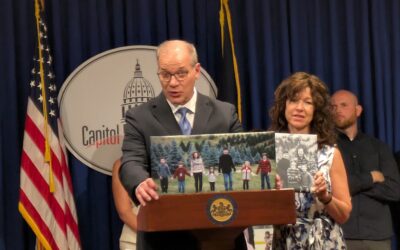
‘Marijuana is Destroying My Family’: Parents and Community Leaders Urge Pennsylvania Officials to Reject Recreational Legalization
‘From bright to barely functioning’ - Parents of children harmed by marijuana use urge state officials to reject commercializing marijuana sales in Pennsylvania. (HARRISBURG, PA) On Tuesday, May 6th, at the Pennsylvania State Capitol, parents of children harmed by...

12 Reasons to Reject HB1200: No Industrialized Marijuana for Non-Medical (Recreational) Sale in Pennsylvania
Today’s marijuana products — including high-potency vapes, edibles, dabs, and extracts — are far stronger and more dangerous than ever before. Legalizing the commercial sale of these products for recreational use would harm Pennsylvania families and communities. ...
The Truth on Weed: What Pennsylvania Can Learn from Other States’ Mistakes
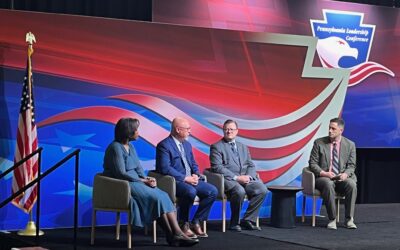
As Pennsylvania considers legalizing the commercial sale of marijuana for recreational use, a growing chorus of voices is urging our leaders to pause—and listen. At the 2025 Pennsylvania Leadership Conference, the panel discussion "Truth on Weed: Examining the Harm...