What would HB 300 actually mean for everyday life in Pennsylvania?
That’s the question many voters are asking as they hear the bill described in broad, reassuring terms. On the surface, it is presented as a simple update to nondiscrimination law. But as with many policies, the real impact is not found in talking points. It is found in how the law is interpreted and applied in real-life situations affecting that affect real people.
Across the country, laws like HB 300 go far beyond what a layperson may see in the vague wording of the bill text. Instead, they have been expanded through agency rules, court decisions, and legal pressure to reach into schools, small businesses, medical settings, places of worship, and even private spaces like bathrooms and shelters.
This FAQ is designed to help you understand what that would look like here in Pennsylvania. These are not hypothetical concerns. They reflect real outcomes from other states, translated into plain language so you can understand what HB 300 would mean for your family, your community, and everyone’s freedoms.
Women’s Sports
Q: Would HB 300 affect girls’ and women’s sports?
Yes. Even though “sports” is not explicitly mentioned in HB 300, public schools are considered public accommodations. That means policies related to gender identity would apply to school athletics.
Q: What does that mean in practice?
In other states with similar laws, schools have allowed biological males who identify as female to compete in girls’ sports. This has led to competitive and fairness concerns all across the country, and within Pennsylvania, including situations where male athletes have won girls’ competitions at regional and state levels.
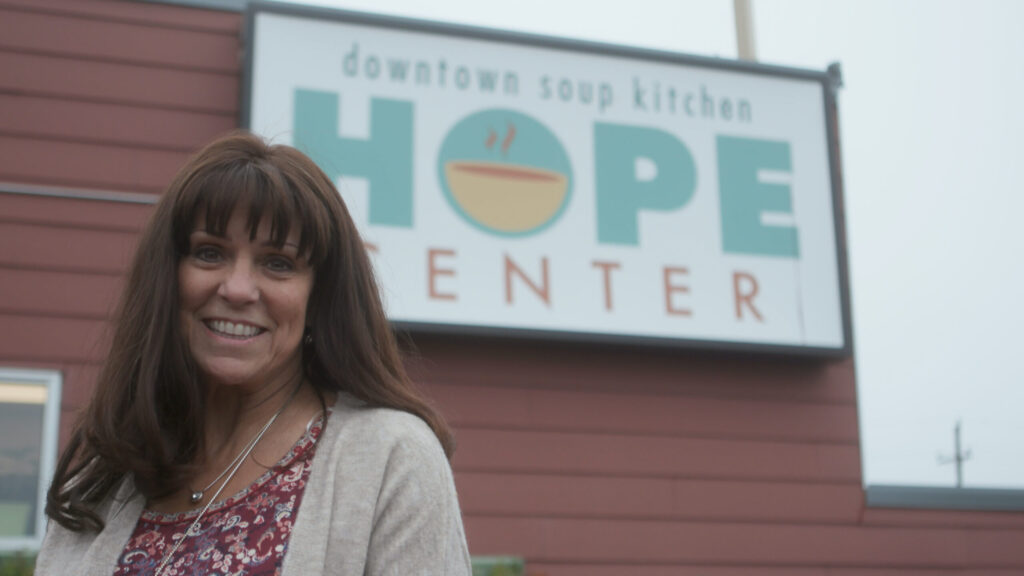
Photo credit: Alliance Defending Freedom
Women’s Shelters
Q: Would HB 300 change who can access women’s shelters?
Likely yes. Women’s shelters fall under both housing and public accommodations, which are directly covered by HB 300. In Canada, a biological male who identified as a woman was admitted to a women’s shelter and later convicted of sexually assaulting a female resident, raising serious concerns about safety in these spaces.
Q: What kinds of issues have occurred elsewhere?
In jurisdictions with similar laws, shelters have been required to admit biological males who identify as female. Reports from other places include incidents of harassment, safety concerns, and even assault. In some cases, women who raised concerns were removed from shelters instead of being protected. Specifically, the Downtown Hope Center in Alaska faced legal action after seeking to maintain a women-only overnight shelter, raising concerns about whether organizations can preserve sex-specific spaces for safety and privacy.
Medical Field
Q: How would HB 300 impact doctors and hospitals?
Hospitals and medical providers are considered public accommodations under the law, meaning they would be required to comply with nondiscrimination rules related to gender identity.
Q: What could that mean for medical professionals?
In other states, this has led to legal pressure on doctors and hospitals to participate in or facilitate sex-rejection interventions, even when those actions conflict with their ethical or religious convictions.
For example, in California, a woman identifying as a man successfully sued a Catholic hospital after it declined to perform a hysterectomy for gender-related reasons, raising concerns about whether medical providers can continue to operate according to their ethical and religious convictions.
Bathrooms and Locker Rooms
Q: Does HB 300 apply to bathrooms and locker rooms?
Yes. While not explicitly named in the bill, bathrooms, locker rooms, and similar facilities are considered part of public accommodations and employment conditions.
Q: How has this been interpreted in other states?
States that added gender identity to nondiscrimination laws have often required access to these spaces based on gender identity rather than biological sex. This has led to situations where biological males are permitted in women’s restrooms, locker rooms, and changing areas.
Christian Schools and Religious Employers
Q: Would religious schools be affected by HB 300?
Yes. Christian schools are considered employers and would be subject to the law’s requirements. In Michigan, under similar law, the case involving Sacred Heart of Jesus Parish v. Nessel raised concerns that religious schools could be forced to hire staff who do not share or may openly oppose their core beliefs about marriage and human sexuality.
Q: What are the concerns for these schools?
In other states, similar laws have been used to challenge the ability of religious schools to hire staff who align with their beliefs about marriage and human sexuality. This raises questions about whether faith-based institutions can maintain their mission and teachings.
Pronouns and Workplace Speech
Q: Could HB 300 affect how people speak at work?
Potentially. While HB 300 does not mention pronouns, other jurisdictions have interpreted similar laws to require the use of preferred names and pronouns. For example, in New York City, enforcement guidance tied to its nondiscrimination law has been used to require employers and employees to use an individual’s preferred name and pronouns, with potential penalties for those who do not comply.
Q: What does that mean for employees?
Employees in some areas have faced disciplinary action for not using requested pronouns, even when doing so conflicts with their beliefs. These interpretations often come through regulatory guidance rather than the law’s original text.
Freedom of Conscience and Small Businesses
Q: Could HB 300 affect small business owners?
Yes. Public accommodations laws apply broadly to businesses that serve the public. For example, Barronelle Stutzman, a Washington florist, faced years of legal battles and ultimately closed her business after declining to create custom arrangements for a same-sex wedding due to her religious beliefs.
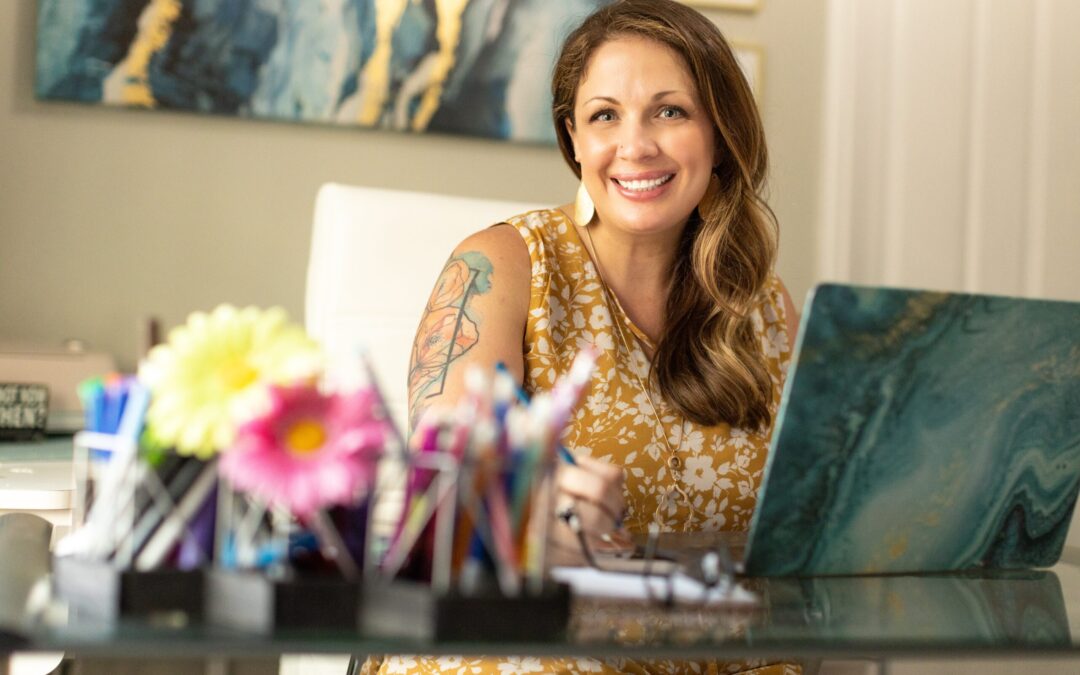
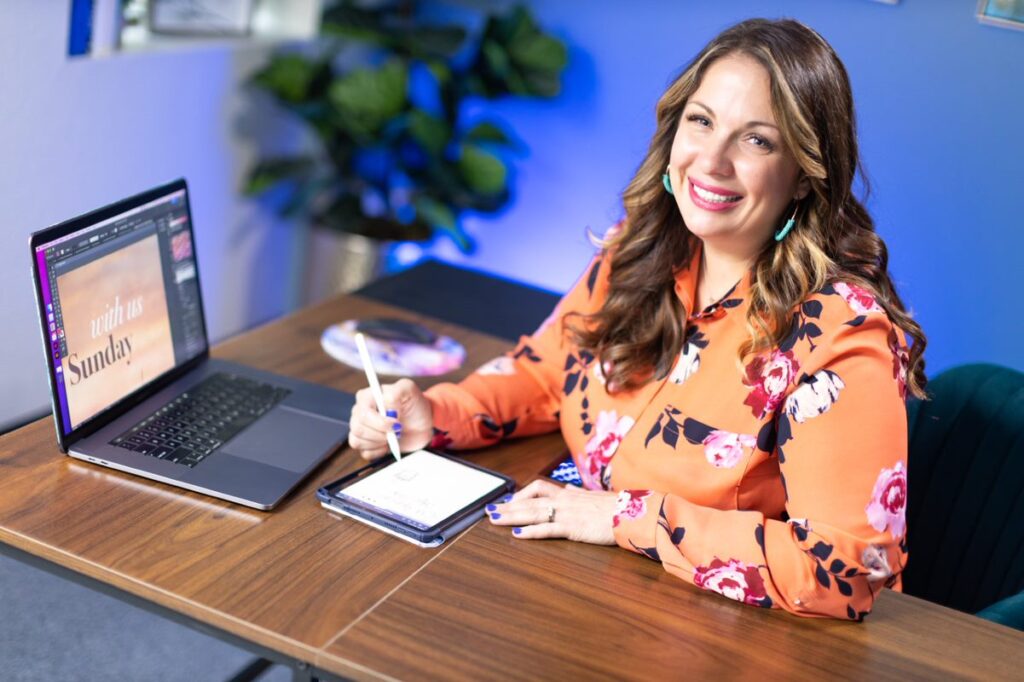
Another small business example is the case of Lorie Smith, a website designer. She challenged a similar Colorado law that would have compelled her to create custom wedding websites celebrating same-sex marriages, ultimately prevailing at the U.S. Supreme Court after years of legal uncertainty.
Q: What kinds of conflicts have happened elsewhere?
Business owners in other states have faced lawsuits and financial penalties for declining to create custom services that conflict with their beliefs, particularly in cases involving weddings.
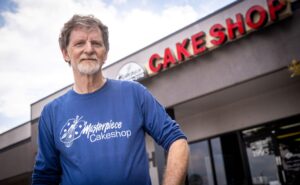
For example, Jack Phillips, a Colorado cake artist, has spent years in court defending his decision not to design a custom wedding cake that violated his convictions, while Barronelle Stutzman, a Washington florist, ultimately closed her business after prolonged legal battles. Even when individuals eventually prevail, the legal process itself can be costly, time-consuming, and burdensome.
The Bigger Picture
Q: Why are people concerned about HB 300?
Supporters falsely present the bill as a civil rights measure. However, experiences from other states suggest it will be interpreted broadly, affecting schools, healthcare, religious freedom, privacy, and free speech.
Q: What should voters understand moving forward?
Laws like HB 300 often extend beyond their initial wording. Once enacted, enforcement agencies and courts determine how they are applied in real-world situations. For many Pennsylvanians, the key question is whether the potential impacts on fairness, safety, and freedom of conscience are fully understood before such changes are made.
HB 300 is not just a policy debate happening in Harrisburg. It is a proposal that could reshape how Pennsylvanians live, work, speak, and raise their families.
As voters and citizens, it is important to look beyond the bill’s title and examine how similar laws have functioned in practice. Time and again, we have seen that once these policies are enacted, their reach expands. The consequences are felt not in theory, but in classrooms, workplaces, shelters, and everyday interactions.
Pennsylvania has long valued both fairness and freedom. The challenge before lawmakers is whether HB 300 preserves that balance or disrupts it. Now is the time to ask questions, seek clarity, and make your voice heard. The decisions made today will shape the Commonwealth for years to come.
Header Photo: Lorie Smith, owner and founder of 303 Creative. Photo credit: Alliance Defending Freedom