

The stories don’t begin in courtrooms. They begin in living rooms, at kitchen tables, in quiet moments where ordinary people try to do what they believe is right.
A mother filling out adoption paperwork. A couple making space in their home for another child. A school coach reminding students that fairness matters.
And then, somewhere along the way, the letter arrives. Or the call comes. Or the door quietly closes. Not because they harmed anyone, but because they refused to say something they do not believe is true.
Speaking during the Judiciary Committee debate, Rep. Malcolm Kenyatta (D-Philadelphia) falsely asserted repeatedly that HB 300 “has nothing to do with the bill” when it comes to sports, bathrooms, or faith-based concerns. But the truth is the lived experiences of families, schools, and small business owners in other states prove otherwise.
When Saying “No” Costs Everything
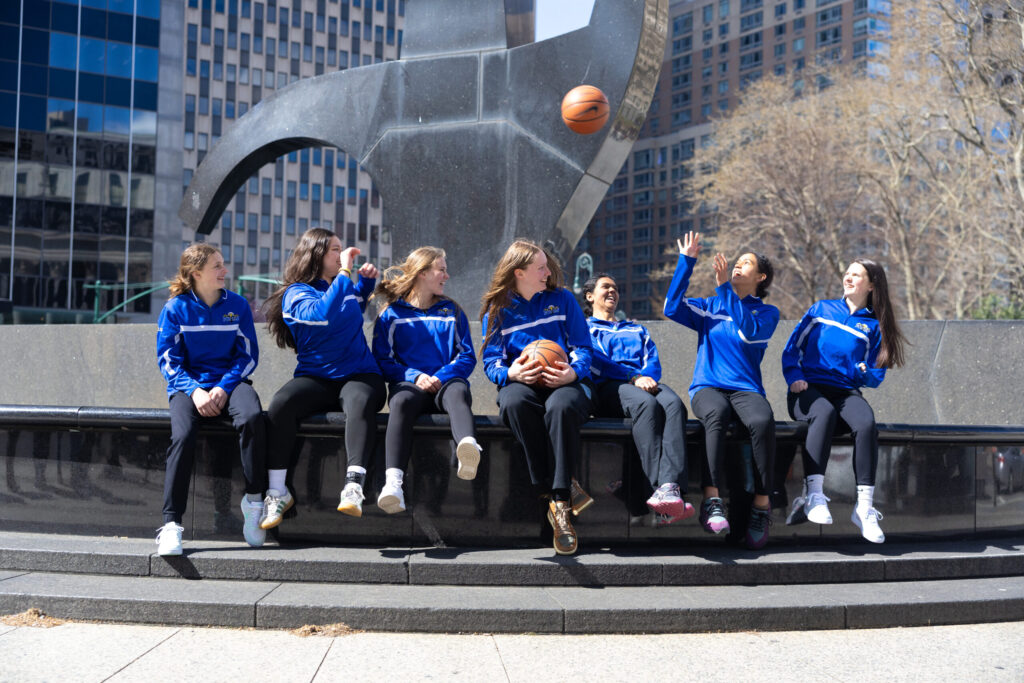
At Mid Vermont Christian School, the girls’ basketball team had already practiced the plays. They showed up, worked hard, and earned their place.
But when the school declined to compete against a team with a male in a girls’ tournament, everything changed. The consequences were swift. The school was banned from the state’s largest athletic association.
For the girls on that team, it wasn’t about politics. It was about fairness. About safety. About the simple understanding that boys and girls are different. But the state saw it differently.
According to legal filings, Vermont required schools to adopt the belief that sex is fluid and that biological differences do not matter. Participation in sports, even access to educational programs, hinged on agreement.
In September 2025, the 2nd Circuit ruled in favor of the school, affirming that the government cannot force people to abandon their beliefs as a condition of participation.
A victory, yes. But only after students were sidelined, seasons disrupted, and a community was forced into a legal battle just to stand on what they knew to be true.
A Mother Told She Was Unfit
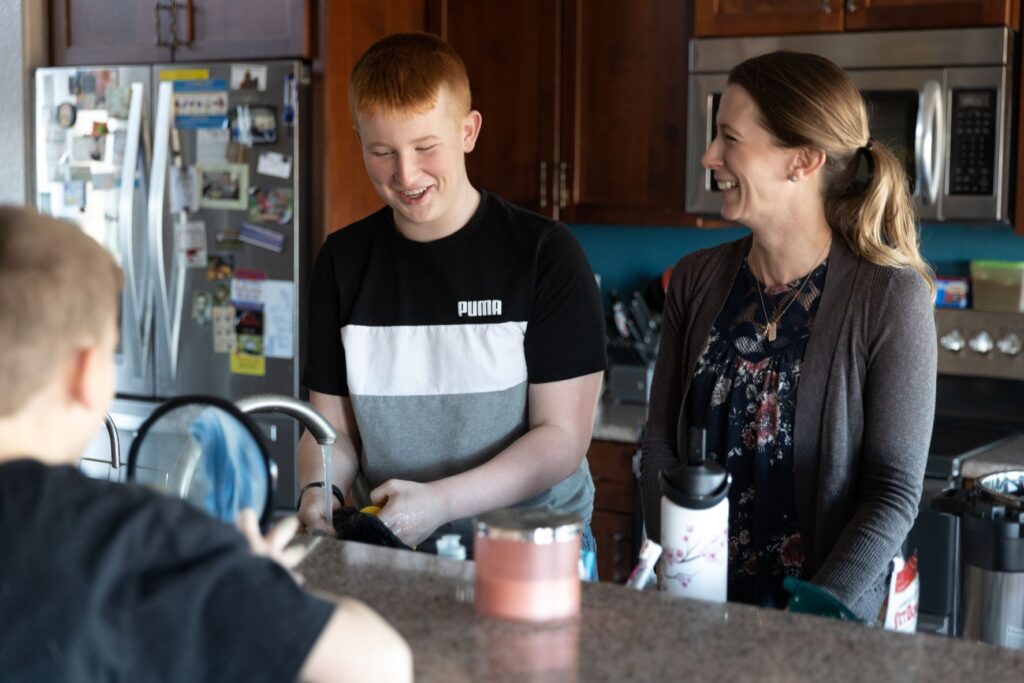
In Oregon, Jessica Bates wasn’t looking for a fight. She was answering a calling.
A widow and mother of five, she felt compelled to adopt siblings who needed a home. She began the process, opened her life, and prepared her family. But the state had a requirement.
To adopt, she would have to affirm a child’s gender confusion in every way the state prescribed. That included taking children to pride events and agreeing to harmful sex-rejecting interventions like puberty blockers and cross-sex hormones. Jessica could not do that.
Not because she lacked compassion. But because she believed those steps could cause irreversible harm. As a result, her application was denied.
Think about that for a moment. A mother, already raising five children, willing to welcome more, was told she was unfit—not because of neglect, not because of abuse, but because of her sincerely held beliefs.
With legal help, Jessica took the state of Oregon to court. The 9th Circuit allowed her to continue the adoption process without violating her convictions. Her case continues. But the question lingers. How many children remain without homes because people like Jessica are turned away?
Families Pushed Out, Children Left Waiting
In Washington state, a couple who had fostered children for nine years were told they could no longer continue. Their disqualifying offense? Believing that a boy cannot become a girl, and a girl cannot become a boy.
In Massachusetts, two families—Nick and Audrey Jones, and Greg and Marianelly Schrock—had cared for dozens of children. They had opened their homes again and again. But the Jones family faced the possibility of losing a little girl who had lived with them nearly her entire life.
Not because of anything they had done wrong. But because they could not agree to state-imposed ideology about gender identity or self-expression. For a time, the system chose ideology over stability. Policy over people.
Only after legal intervention did Massachusetts reverse course in late 2025. But the damage done—the fear, the uncertainty, the message sent to families willing to help—cannot be undone overnight.
Creative Work, Compelled Speech
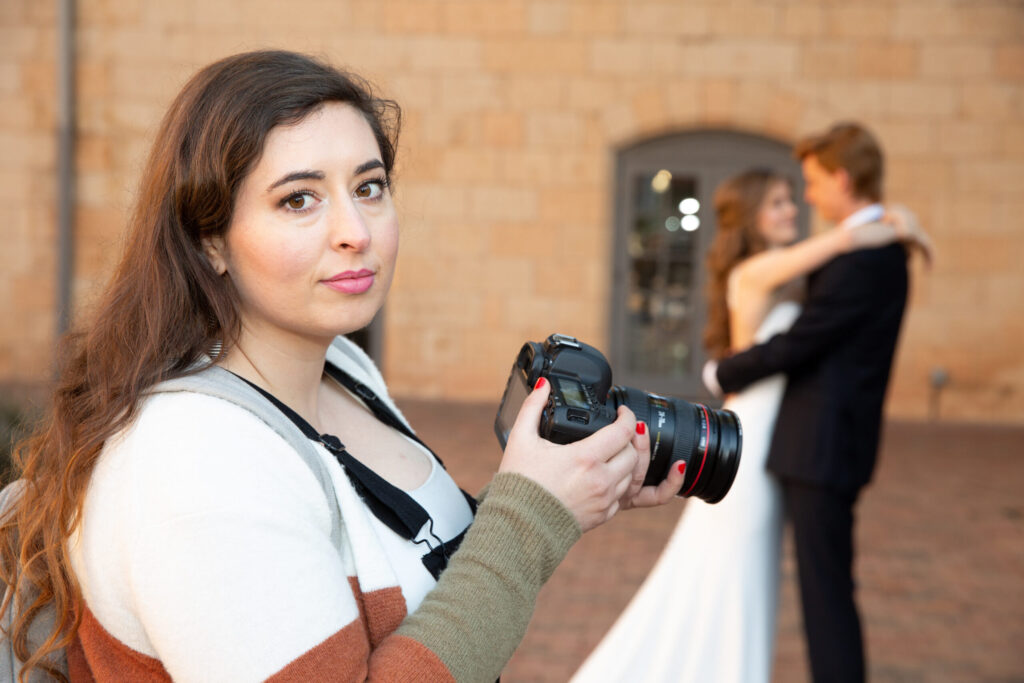
In Louisville, Chelsey Nelson built a business around celebrating weddings. Her work is personal. Artistic. Expressive.
But under a local sexual orientation or gender identity (SOGI) public accommodation ordinance, she faced a choice: put her artistic talent to photograph same-sex weddings that go against her sincerely held beliefs or face legal penalties.
The issue was not whether she would serve clients with kindness. It was whether the government could compel her to create speech that contradicted her beliefs about marriage.
A federal court said no in October 2025, affirming her First Amendment rights and holding the city accountable. Still, the case reveals something deeper. When the state can dictate what you must say, create, or celebrate, freedom becomes conditional.
Schools Forced to Choose Between Faith and Function
In Michigan, Sacred Heart of Jesus Parish and its school face a similar dilemma. A reinterpretation of state law now requires religious schools to hire staff who reject their core beliefs and to refrain from teaching those beliefs openly.
For parents who chose the school precisely because it aligns with their religious values, the implications are profound. It is no longer just about employment policies. It is about whether a community can exist at all without surrendering its core identity.
Why This Matters for Pennsylvania
These are not isolated stories. They are signposts. These stories serve as the “canary in the coal mine” and our early warning sign of danger.
Across the country, laws adding “sexual orientation” and “gender identity or expression” to non-discrimination or public accommodation codes have been used to:
- Exclude families from fostering and adoption
- Punish schools for upholding fairness and biological reality
- Compel speech and creative expression
- Undermine religious education and parental choice
And now, those same policies are being proposed here in Pennsylvania. Supporters focus on good-intent, and say it is about fairness, but the human cost tells another story about how these laws are being implemented.
Right now, Pennsylvania stands apart. It is the only state in the Northeast that has not added these categories to its non-discrimination laws. That means something. It means we still have a choice.
The Moment Before the Door Closes
There is a quiet moment in every one of these stories. Before the lawsuit. Before the headlines.
Each of these moments is where someone is simply trying to do good. To care for a child. To teach students. To run a small business with integrity. And then the pressure comes.
“Say this.” “Affirm that.” “Agree—or step aside.” In other states, many had no choice left. Here in Pennsylvania, we still do. This is not a foregone conclusion.
We can look at these stories, not as distant conflicts, but as warnings, and decide that PA families should not be punished for their beliefs, that children deserve stable homes, and that objective truth is not something the government gets to redefine.

HB 300 is not fair to those whose faith beliefs include that God creates us in the womb and gives us our identity clearly defined in our DNA. It requires those with those beliefs to choose to disobey the law and suffer the consequences or disobey our God and His truth. For that reason it is not fair nor constitutional because it violates the amendment guaranteeing our right to practice our religion.
Well said, Carol. ~ Josue